
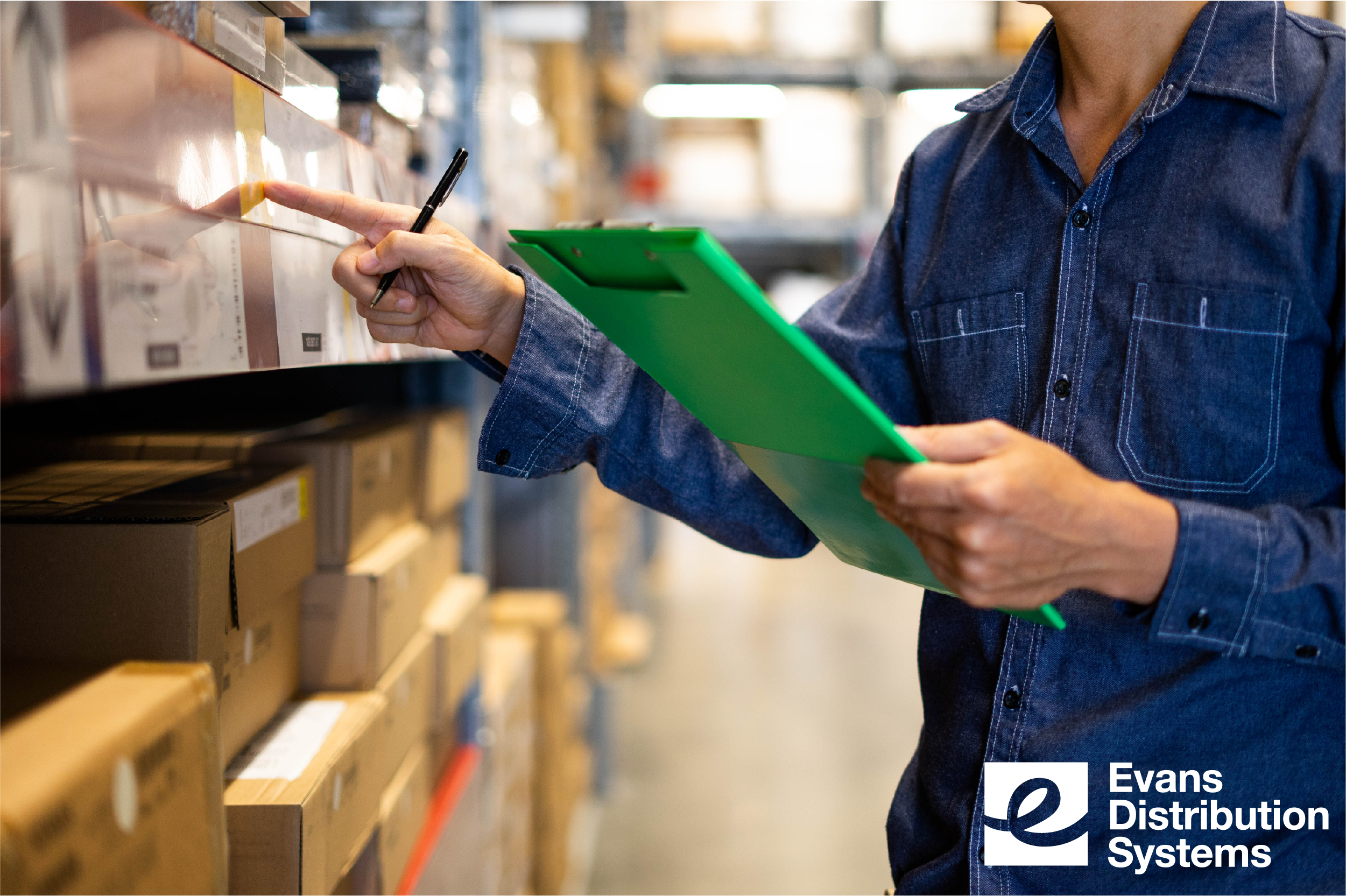
According to Google’s Oxford Languages, the word inventory originates from the Latin term invenire, which means “come upon,” and Late Latin term inventarium, “a list of what is found.”
There are different types of inventories that can be taken including goods, property, traits, and more. In the business world, inventories can drive strategic business decisions such as volume, storage options, location of inventory, transportation mode, production rates, forecasts, and timelines. This article explores eight common types of inventories and their business implications.
Phase I of Production – Unfinished Inventory
- Raw Materials – Components or basic materials purchased from suppliers and used in the manufacturing of a finished good.
- Strategies include sourcing materials, quantities, production timelines, supplier quality, supplier reliability, and pricing models.
- Business decisions at this stage can have an impact on the quality of goods, availability of goods, order fulfillment capabilities, and profitability.
- Work-in-Progress Inventory – Components or basic materials actively in production of a manufacturing process. These goods are partially finished and not ready for sale.
- While under production, strategies include design and layout of a manufacturing process, measuring efficiencies, optimizing labor, material handling resources, and waste reduction. The more lean the production process is, the more profit will be attained.
Phase II of Production – Finished Inventory
- Finished Inventory – Goods that have completed the production process and are ready for sale.
- Once goods are finished, they are ready for distribution. Most likely, distribution will be within regional networks, direct to retail, or direct to consumers. Other strategic decisions at this point involve stock levels, service/order agreements, forecasting, and sales.
- Maintenance, Repair, Operations (MRO) Inventory – Supplies and components to support the production of a good.
- Strategic decisions include production equip, part accessibility, preventive maintenance, repair management, part upgrades, and standardization of parts and equipment. All these business decisions are designed to prevent disruptions in production.
- Floating Inventory – Goods in transit, also known as Pipeline Inventory. Goods can transition from one mode or location to another by sea, rail, or truck.
- Rising transportation or storage costs can impact the need for floating inventory. Additional supply chain barriers such as tariffs, increased storage fees, port delays, or bottlenecks may dictate the need to reroute goods or prolong transportation timelines to mitigate risks.
- Floating inventory can strengthen cash flow with reduced storage fees as well.
Phase III of Production – Overflow Inventory
- Safety Shock Inventory – Surplus inventory to absorb unforeseen replenishment issues.
- Strategic decisions around extra inventory are necessary to absorb demand increases, supply chain disruptions, or supplier delinquencies.
- Cycle Shock Inventory – Additional inventory to meet consumer demand in between regular replenishments.
- Forecasting is an important factor when determining appropriate inventory levels, however, it can derail quickly in special circumstances. Having additional inventory on hand creates a buffer during normal cycles.
- Anticipatory Inventory – Goods produced to weather seasonality or marketing campaigns.
- Most decisions are based on historical sales volumes or pre-determined market conditions. Inventory levels are pre-planned around strategic marketing initiative.
As evident by the various types of inventories, phases of production, and strategic decision making, finding the right balance of risk mitigation and profitability is crucial. Utilizing a 3PL like Evans Distribution provides flexibility and scalability of storage, regional coverage, and advanced inventory management systems to support businesses as they face these important decisions.