
Expectations & Strategy for Transportation Management During an Oil Disruption
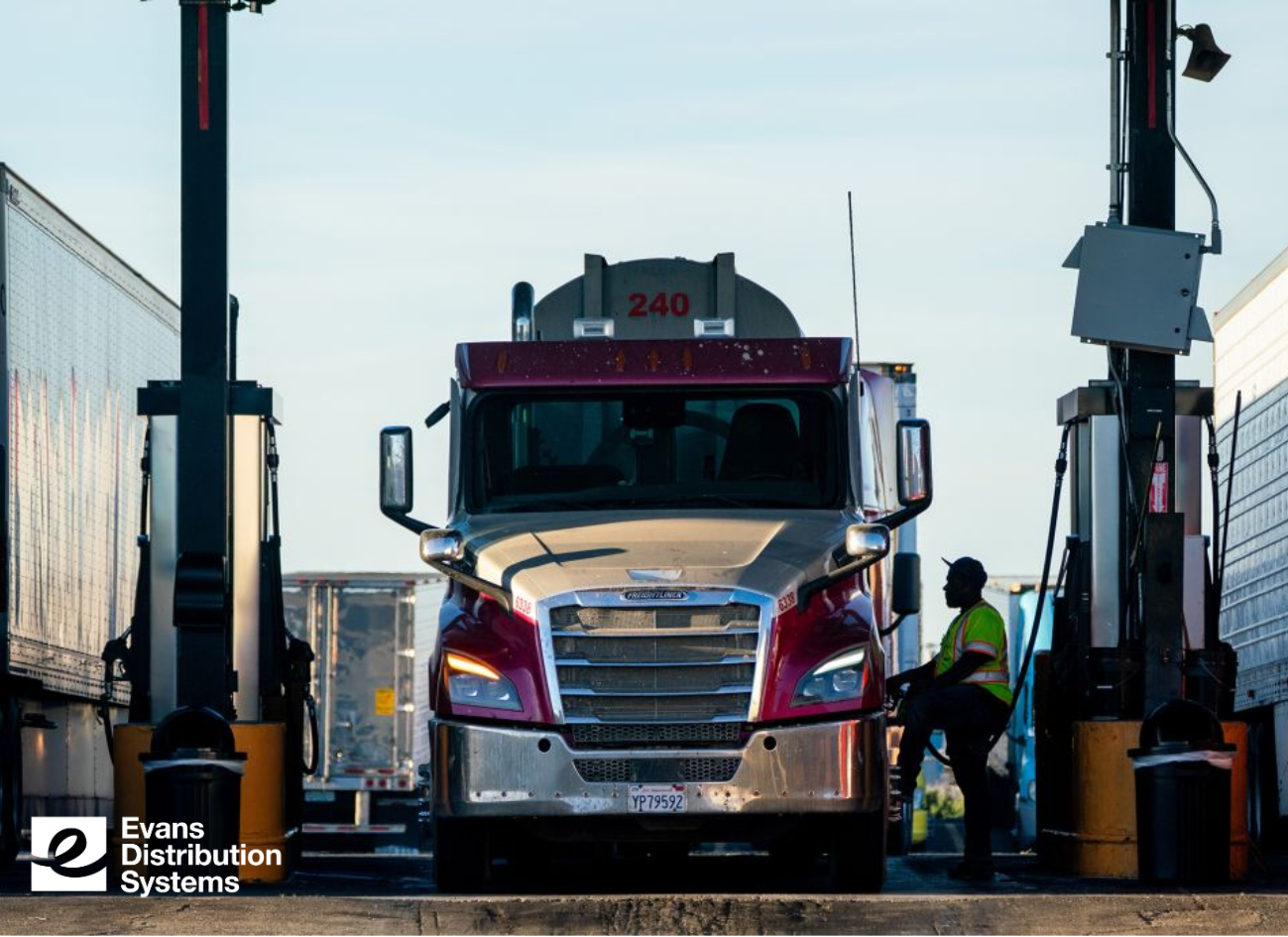
For an industry that literally runs of fuel, the transportation industry is gearing up for a windy road ahead. Any global disruption can impact oil production, but countries who have deep oil reserves cause significant disruptions. According to Statista, the Middle East is home to 40% of global oil reserves with an estimated 26 billion barrels produced every day. Recent conflict in the Middle East, including the closure of a critical shipping route, is expected to significantly affect the U.S. supply chain.
Fuel Surcharges
Simply put: When fuel prices increase, the cost of shipping also increases, putting pressure on carriers and shippers. Fuel can account for 30%-40% of total road freight operating costs, making it the single largest variable expense for carriers. When fuel prices are abnormally high, those costs add up quickly. Diesel specifically, which is most heavily used by the trucking industry, is the most sensitive to oil fluctuations, making it even more detrimental to the logistics industry.
“When diesel spikes, it immediately affects every mile we run,” says Toni Trocki, Vice President of Transportation at Evans Distribution Systems. “Carriers have to respond quickly to offset those increases, or it becomes unsustainable to maintain capacity and service reliability.”
Companies utilize fuel surcharges to mitigate fuel price volatility. The Department of Energy’s U.S. National Average On-Highway Diesel Price Index sets the industry standard of the fuel surcharge rate for the week. Basic economic theory proves that sharp spikes in supply and demand drive up prices and eventually move downstream onto the consumer.
Managing Rising Freight Costs
There are a few strategies that can help companies reduce freight costs during a crisis.
- Transparent Fuel Surcharge Clause – Transparency with fuel surcharges helps eliminate constant renegotiations and gives both parties predictability.
- Lock Contract Market Rates – If there is consistent volume of goods, negotiating a quarterly or semi-annual contract with fixed rates provides an advantage over those that quote shipment by shipment, also known as Spot Market Rates. Having this leverage can translate to better pricing even when there is an increase in fuel pricing.
- Prepare for Port Congestion by Securing Drayage Capacity – If operations depend on container drayage, booking capacity with a provider like Evans can help alleviate demand availability and costs.
- Evaluate Intermodal Options – On longer routes, combining truck with rail can cut fuel by 15%-30%. Utilizing a broker with visibility across multiple transportation modes can help identify opportunities to a more efficient routing strategy.
- Optimize Backhaul Routes – Carriers hauling a consistent volume of freight can optimize backhaul loads by ensuring both to and from delivery trips are fully loaded.
- Consider Transloading or Crossdocking – Transloading and crossdocking improve supply chain efficiency by transferring products from one mode to another; thereby reducing time, storage, and handling costs. Both services offer advantages depending on the project requirements and may reduce overall costs.
- Work with an Experienced Logistics Provider – 3PLs like Evans Distribution who have both asset-based and non-asset-based transportation solutions provide diversified solutions at highly competitive rates.
The Road Ahead
It’s hard to say what the future holds in relation to oil prices. The constant uncertainty regarding disruptions, inflation, and consumer confidence all play a part in our ability to meet transportation capacity, stay competitive, and maintain quality service standards. This requires open lines of communication between shippers and carriers and monitoring real-time market conditions to ensure alignment.
“Looking ahead, volatility is likely to continue, so flexibility will be key,” Trocki says. “Shippers should plan for fluctuating fuel surcharges and work closely with carriers to manage costs without sacrificing service.”
Looking for a new transportation partner? Evans’ logistics experts are standing by to give you a quote.